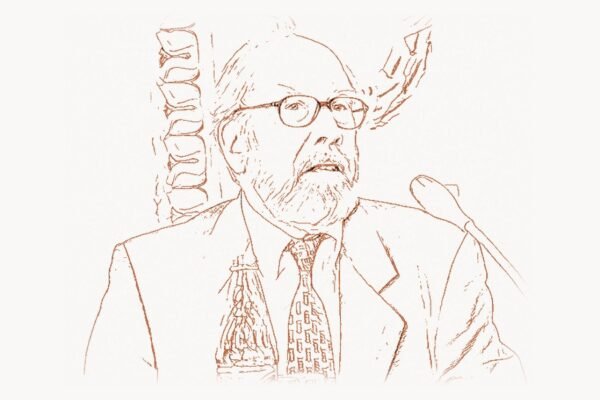
Bose has been synonymous with premium audio since Amar Bose founded the company in 1964. The MIT professor started the company after being disappointed with a high-end stereo system he bought — the speakers sounded nothing like live music. That frustration drove decades of audio research.
Bose practically invented consumer noise-cancelling technology. The QuietComfort headphones launched in 2000 and became the standard for frequent flyers and office workers. The QC45 and newer QuietComfort Ultra headphones continue this legacy, though Sony and Apple now offer strong competition. Bose’s noise cancellation remains excellent — the technology was originally developed for military and aviation use before reaching consumers.
The company’s portable speakers have been consistent sellers. The SoundLink line offers good sound quality in compact packages, while the Bose Portable Smart Speaker adds voice assistant support. Bose’s home theater products, including the Bose Smart Soundbar series, deliver impressive audio from relatively compact units.
Bose’s automotive audio division supplies premium sound systems to car manufacturers including Porsche, Infiniti, and Chevrolet. The company’s noise cancellation technology is also used in some vehicles to reduce road and engine noise in the cabin.
Notably, Bose is privately held and has been since its founding. Amar Bose donated the majority of the company’s shares to MIT in 2011, though MIT doesn’t participate in operations or management. This private structure has allowed Bose to invest in long-term research without quarterly earnings pressure.
Based in Framingham, Massachusetts, Bose doesn’t disclose exact revenue figures, but estimates put it at several billion dollars annually. The company closed its retail stores in 2020, shifting to online and third-party retail, but its products remain fixtures at airports, gyms, and offices worldwide.